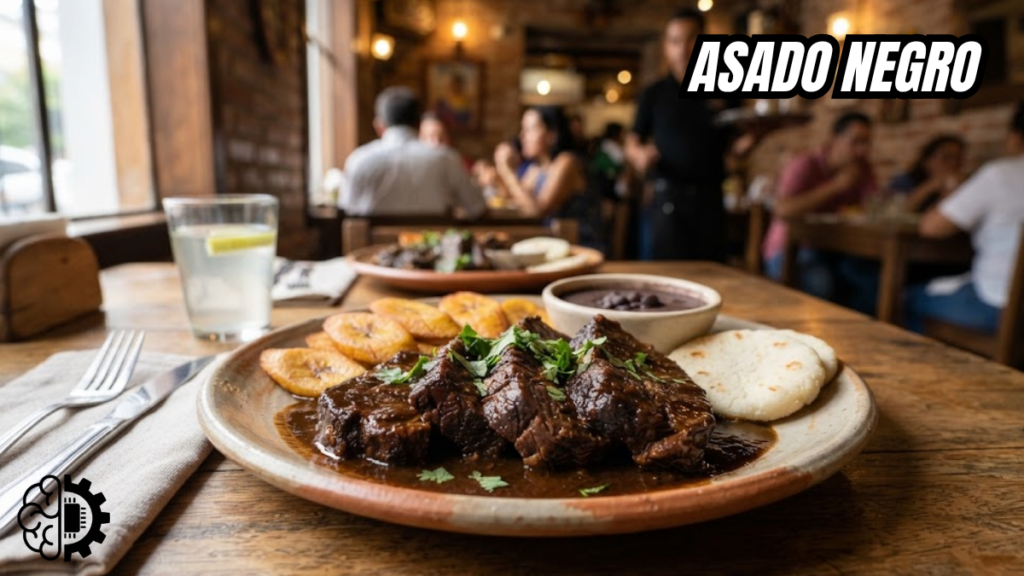

There are beef dishes that fill you up, and then there are dishes that make you slow down and pay attention. Asado negro belongs firmly in the second group. Tender beef is slowly braised until it develops a dark, glossy sauce with a deep sweet-savory character, usually built around papelón or another form of cane sugar, aromatics, spices, and a long, patient cooking process.
If you’re searching for the best asado negro near me, you’re probably not simply looking for another beef dinner. You want the Venezuelan version that tastes properly caramelized, richly seasoned, and tender enough to cut with a fork.
The challenge is that asado negro varies considerably from restaurant to restaurant. Some versions lean sweeter, others more savory, while modern chefs may turn the dish into short ribs or use it as an arepa filling.
I’ve researched current menus and restaurant listings to separate genuinely documented versions from generic “Latin beef” dishes. This guide will help you find, order, recognize, and make asado negro better than ever.
The World’s Best Places to Try Asado Negro
Asado negro is a distinctly Venezuelan preparation, so the strongest examples naturally appear in Venezuelan restaurants and chefs’ modern interpretations. Interestingly, the dish has also reached fine-dining kitchens far beyond Venezuela.
Casa Ora — Brooklyn, New York, USA
Casa Ora in East Williamsburg is one of the most compelling places to look for a restaurant-level interpretation. The Venezuelan-American restaurant is led by Venezuela-born chef Isbelis Diaz and her son Ivo Diaz, and its menu features a 48-hour braised asado negro short rib. OpenTable currently lists Casa Ora at 4.7/5 and notes its Michelin Guide recommendation.
The long braise is the attraction here. Rather than treating asado negro like an ordinary roast, the kitchen turns it into an exceptionally tender short-rib preparation.
AMARU — Dubai, UAE
Dubai provides one of the most surprising modern examples. AMARU at Souk Madinat Jumeirah serves a 36-hour Venezuelan asado negro, built around tender short ribs, a jaggery glaze, butternut puree, coriander and spiced lime. The dish was highlighted by The National as one of the restaurant’s standout meat dishes.
This is not a strictly home-style plate. It shows how Venezuelan flavors can be translated into contemporary fine dining without losing the identity of the dish.
Apartaco — Madrid, Spain
For a more traditional Venezuelan direction in Europe, Apartaco in Madrid is worth putting on your list. The Chamberí restaurant is associated with chef Leo Araujo and specializes in Venezuelan home-style cooking with a polished restaurant presentation. Its asado negro is specifically highlighted as a signature dish.
The atmosphere matters here, too. Apartaco is designed to evoke a Venezuelan apartment from another era, making the meal feel connected to Caracas rather than simply labeled “Latin American.”
La Casa Bistró — Caracas, Venezuela
Back in Caracas, La Casa Bistró offers asado negro with plantain purée, basmati rice and mixed garden salad. That combination gives you a useful idea of how the dish can be presented in Venezuela: the rich beef and dark sauce balanced by something sweet, starchy and fresh.
Restaurante Bucare — Caracas, Venezuela
Bucare takes the traditional route. Its menu describes asado negro as beef cooked for eight hours in the traditional black sauce. That extended cooking time is exactly what you want when judging whether a restaurant understands the dish as a braise rather than simply a roast with sweet gravy.
MONO — Hong Kong, China
Hong Kong’s one-Michelin-starred MONO provides a fascinating fine-dining connection. Chef Ricardo Chaneton has spoken about asado negro as a beloved Venezuelan dish from home, describing it as beef slow-cooked in a black sauce and traditionally served with rice and sweet plantain fries. A MONO menu has also featured Venezuelan asado negro alongside other Latin American ingredients.
That makes MONO particularly interesting for serious food travelers: it demonstrates how a chef can carry the flavor memory of Venezuela into a highly contemporary international kitchen.
Best Restaurants in the USA for Asado Negro
The United States has a particularly strong Venezuelan food scene, especially in New York and South Florida.
Casa Ora — Brooklyn, New York
This is one of the strongest documented choices. Its 48-hour braised short rib version is substantially more elaborate than the everyday pot-roast interpretation, and the restaurant’s current menu also lets diners add asado negro to arepas and other dishes.
Tip: Reserve ahead for dinner and ask about the short rib preparation rather than assuming every asado negro reference on the menu is the same dish.
Arepera Guacuco — Brooklyn, New York
Arepera Guacuco offers a 24-hour slowly cooked dark beef roast in a rich dark sauce, served with mashed potatoes and sweet plantains. That’s much closer to the classic comfort-food spirit of the dish.
Apamate Bistro — Miami, Florida
Apamate Bistro’s menu lists asado negro as muchacho redondo in a dark, spiced sauce, and it also offers an asado negro arepa. That makes it useful if you’re deciding whether you prefer the dish as a full plate or tucked into Venezuelan corn bread.
Chica — Miami, Florida
Chica’s menu has featured asado negro arepas made with handmade piloncillo arepas, braised short rib and fresh salsa. This is more of a contemporary restaurant interpretation than a traditional plated roast, but it shows how well the sweet-dark beef works with corn and fresh acidity.
In my view, the best American version depends on what you want: traditional comfort food points toward a Venezuelan specialist, while short-rib and arepa versions are fun choices when you want a modern presentation.
Best Places in the UK for Asado Negro
London is the UK’s clearest destination for Venezuelan food, and several restaurants currently list genuine beef asado negro rather than merely borrowing the name.
Arepa & Co — London
Arepa & Co has locations including Bethnal Green and Elephant Park, and its current menus list asado negro with caramelized dark gravy, celeriac purée and mixed vegetables. The restaurant also sells prepared asado negro for collection.
La Brasa Grill — London
La Brasa Grill’s menu describes its asado negro as succulent beef marinated in a rich savory Venezuelan-spiced sauce with hints of sweetness. It’s a good choice when you want a straightforward restaurant plate rather than a tasting-menu interpretation.
Liqui Liqui — Merton, London
Liqui Liqui has been serving homemade Venezuelan food in Merton since 2016 and specifically lists asado negro alongside arepas, empanadas, pabellón, fried plantains and cachapas.
How to find the best asado negro near you in the UK
Open Google Maps and search “Venezuelan restaurant” first, then check each restaurant’s current menu for “asado negro.” Don’t rely solely on a photo or a review mentioning “Venezuelan beef.”
Before traveling, check the restaurant’s latest menu or call ahead. Asado negro can be a special or seasonal dish, and menu availability can change.
What Is Asado Negro?
Asado negro is a classic Venezuelan beef preparation in which a whole beef cut is browned and then slowly braised in a dark, sweet-savory sauce.
The famous color comes from deeply caramelized sugar or papelón/panela, combined with the browning of the beef and the cooking juices. The result should taste complex rather than simply sweet.
Main ingredients
- Beef roast, commonly a round cut such as muchacho redondo
- Papelón, panela or brown sugar
- Onion
- Garlic
- Red wine or another cooking liquid, depending on the recipe
- Worcestershire sauce in some versions
- Spices
- Salt and black pepper
- Oil for browning
A good version has a dark, glossy sauce, tender slices that still hold their shape, and a balance of sweetness, acidity, salt and beefiness. If the sauce tastes like plain sugar or the meat is dry and stringy, something went wrong.
How to Make Asado Negro at Home
Prep time: 25 minutes
Cook time: About 3–3½ hours
Serves: 4–6
1. Season the beef
Use roughly 1.5–2 kg of beef round or another suitable braising cut. Season generously with salt, pepper, garlic and your preferred Venezuelan-style aromatics.
Let the meat sit for at least 20–30 minutes before browning. That gives the seasoning a chance to work into the surface.
2. Build the dark caramel
Heat a heavy Dutch oven or deep pot over medium heat. Add oil and brown the beef thoroughly on every side.
Remove the beef. Add panela or brown sugar to the same pot and allow it to melt and darken carefully.
This is one of the most important stages. You want deep caramelization, not burnt sugar. Once the sugar becomes very dark and fragrant, add the onions and garlic.
3. Deglaze the pot
Add a little red wine or cooking liquid while scraping the browned bits from the bottom.
Return the beef to the pot. Add enough additional liquid to create a braising environment, but don’t completely drown the meat.
4. Braise slowly
Cover the pot and cook over low heat for approximately 2½–3 hours, turning the beef occasionally.
The meat should become fork-tender while the liquid gradually concentrates into a dark sauce.
Pro tip: Don’t rush this stage. High heat can make the outside look cooked while leaving the center tough.
5. Reduce the sauce
Remove the beef when tender and let it rest. If the sauce is thin, simmer it uncovered until glossy and concentrated.
Taste before serving. You want sweetness balanced by salt and acidity, not a dessert-like caramel sauce.
6. Slice and serve
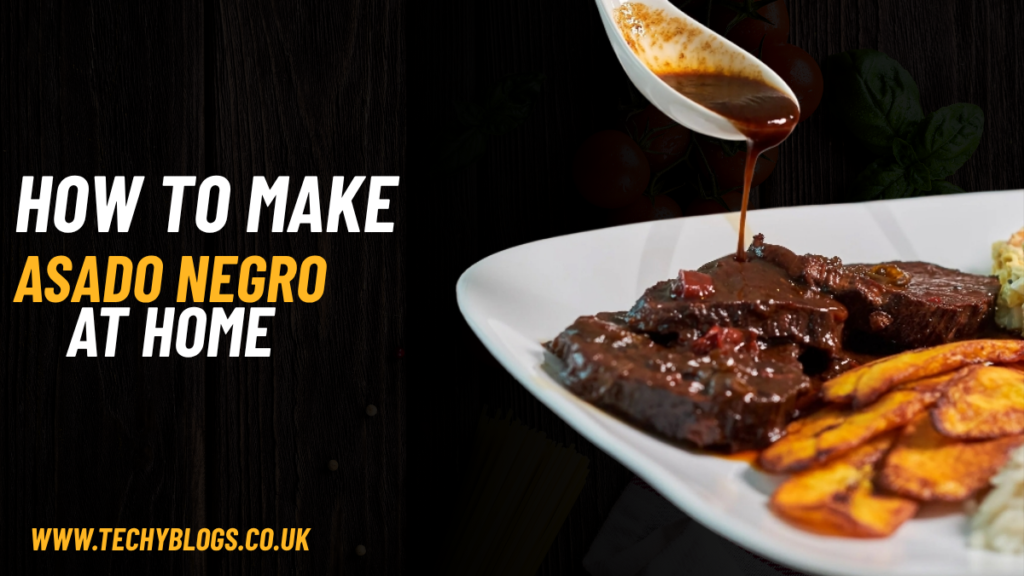
Slice the beef across the grain and spoon the dark sauce over the top.
Classic accompaniments include white rice and sweet fried plantains. Black beans, arepas, mashed plantains or a fresh Venezuelan salad also work beautifully.
One common mistake is cutting the meat immediately after cooking. Give it a short rest first; otherwise, valuable juices can run straight onto the cutting board.
Asado Negro FAQs
What does asado negro taste like?
It is rich, savory, slightly sweet and deeply caramelized. The sauce should have layers of beef, aromatics and dark caramel rather than tasting like sugary gravy.
What cut of beef is best for traditional asado negro?
Venezuelan versions commonly use a round beef roast, often called muchacho redondo. The key is choosing a cut that benefits from long, slow braising.
Where can I find authentic Venezuelan asado negro in London?
Start with Venezuelan specialists such as Arepa & Co, Liqui Liqui and La Brasa Grill, all of which have documented asado negro offerings. Check the current menu before visiting because restaurant menus can change.
Is asado negro spicy?
Usually, it is more aromatic and sweet-savory than aggressively hot. Spice levels vary by cook, and fresh sauces can add heat at the table.
What should I order with asado negro?
White rice and sweet plantains are classic choices. Black beans, mashed plantains, arepas and a fresh salad can also balance the rich beef.
Can I make asado negro without panela?
Yes. Brown sugar can work when panela or papelón is unavailable. You will still need to caramelize it carefully so the sauce develops the characteristic dark color and depth.
Final Thoughts
Asado negro rewards patience. The best versions aren’t defined simply by how dark the sauce looks; they have tender beef, controlled caramelization and a balance between sweetness, savory depth and acidity.
For a serious restaurant experience, Casa Ora in Brooklyn and AMARU in Dubai offer particularly interesting modern interpretations, while Venezuelan specialists in Caracas and London give you a closer connection to the dish’s traditional identity.
So when you’re hunting for the best asado negro near me, look beyond generic steakhouse listings. Search for Venezuelan kitchens, read the current menu, and check how the restaurant describes its beef.
Then order the plantains. Trust me on that part—you’ll be glad you did.